I've always been the kind of person who wants to poke at a question until it actually makes sense to me, even when the questions don't have much to do with each other. Below are three formal research threads β running through labs at Vanderbilt and MIT, plus an independent one grown out of VEX Robotics β a handful of class projects I pushed past the assignment, and independent papers on history and English. Different fields, but the same itch behind all of them β I just want to understand how things really work.
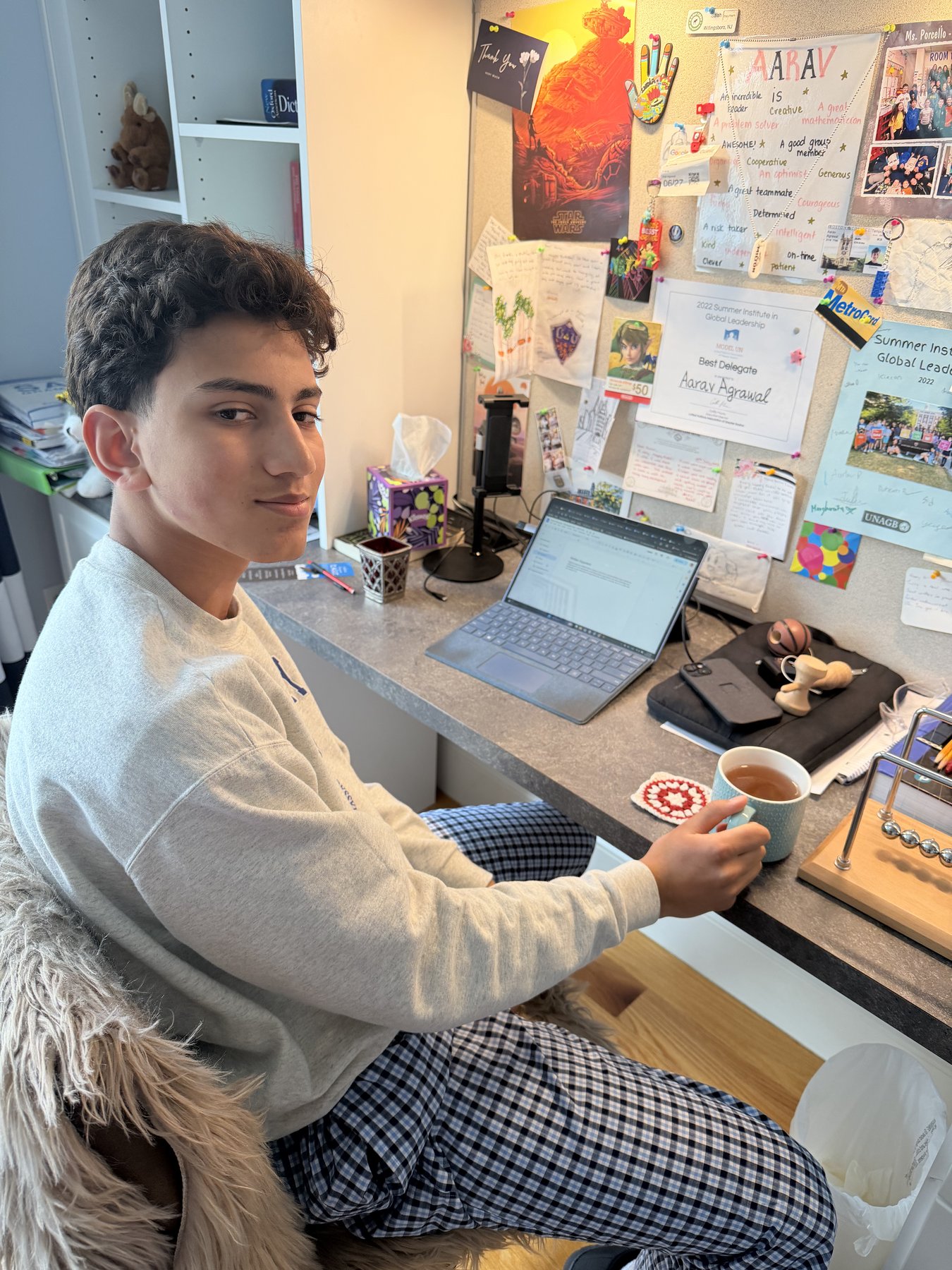
Three ongoing threads, each grown out of a lab, a mentor, and a real question I didn't already know the answer to.
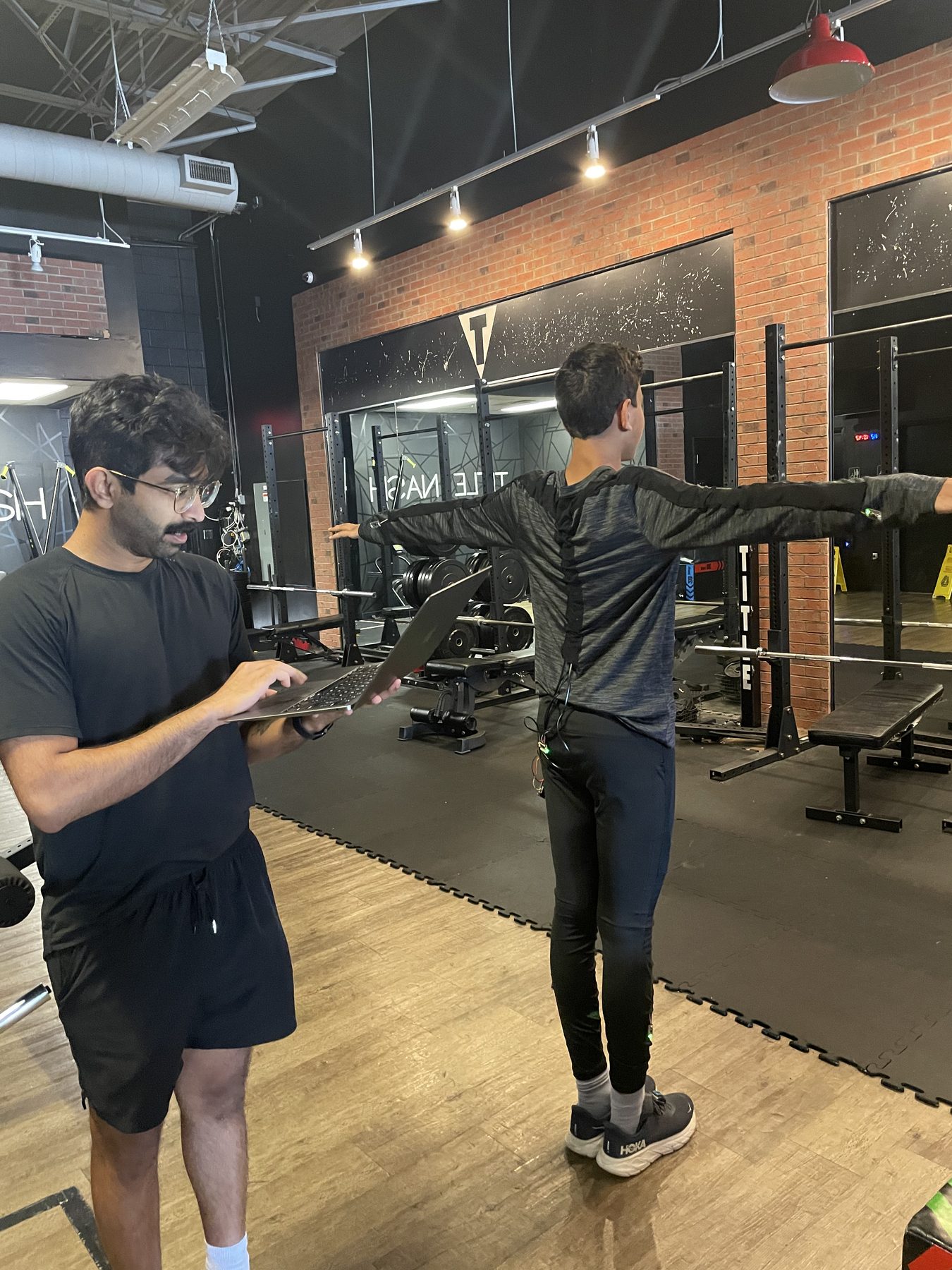
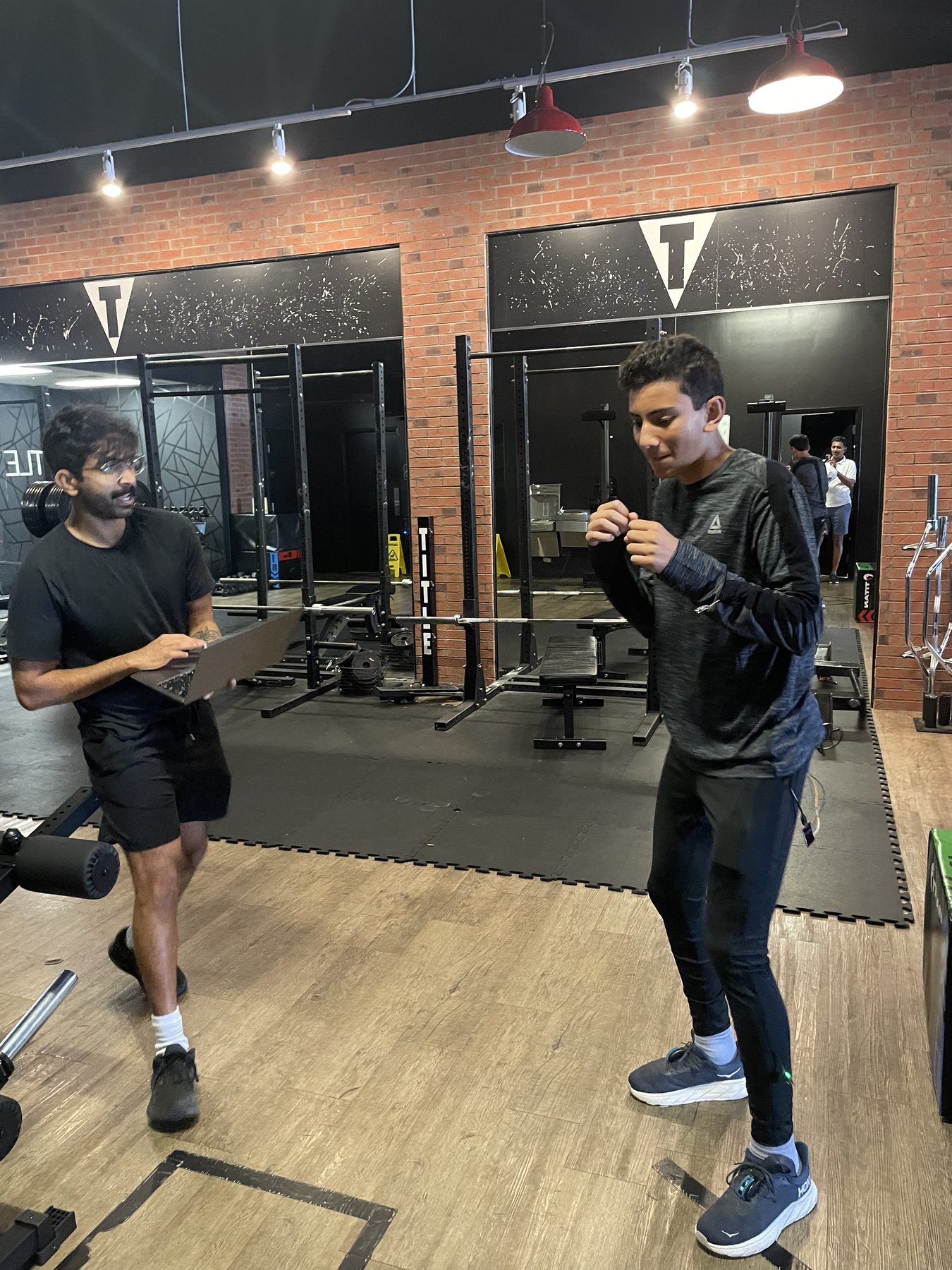
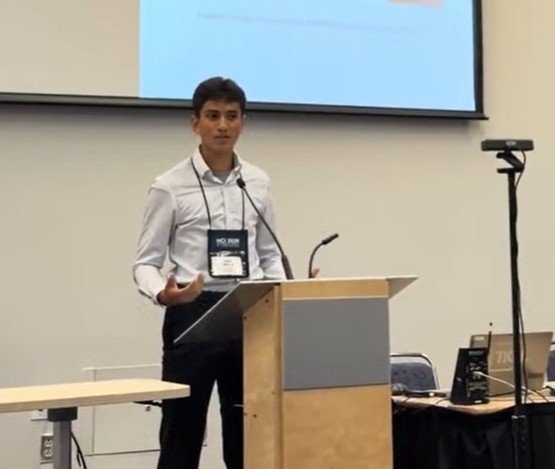
Working in the Robotics and Autonomous Systems Lab under Dr. Nibraas Khan (a PhD candidate under Professor Nilanjan Sarkar), I built a neural-network model that classifies six types of boxing strikes from wearable sensor data β achieving 95% accuracy with a leave-one-subject-out evaluation. The bigger questions stayed with me past the model itself: who owns this biometric data? How might wearable tech change how athletes are trained, and pressured? The research is complete β I submitted it to HCI International 2026, presented it in person in Montreal, and it is set to be published in the conference's Lecture Notes in AI (Springer).
Working with Arjun Ramani, a PhD candidate in economics, I investigate how disruptive AI will be to the job market β locating, aggregating, and visualizing consumer spending datasets from government records to compare products and services with a strong "human component" against those without one. Part of the work has involved building a rubric to classify what kind of human contribution actually makes a product or service meaningful to the people paying for it.
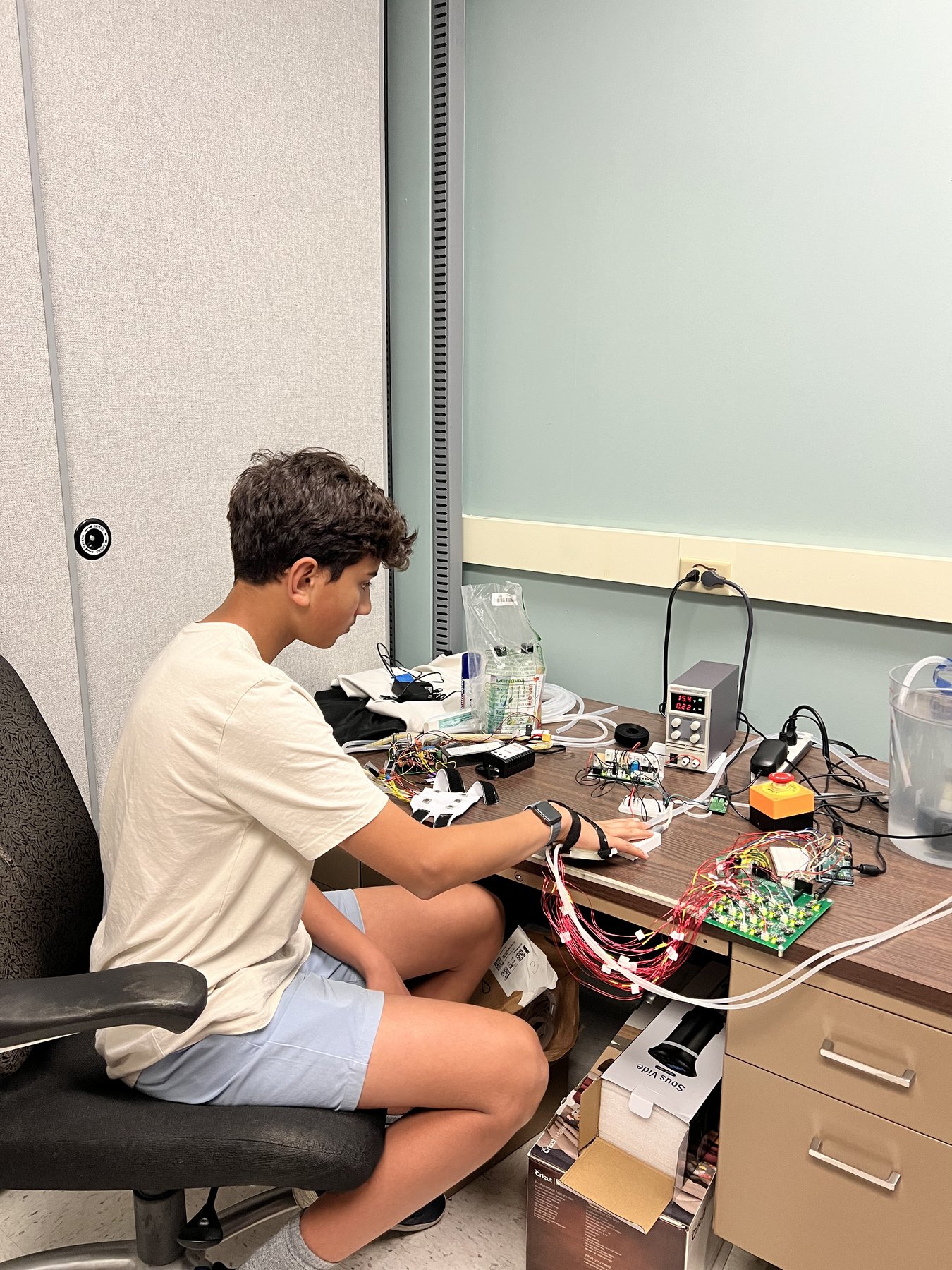
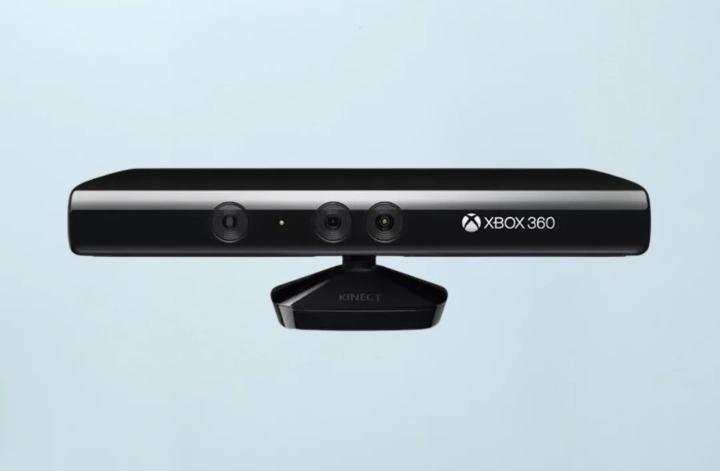
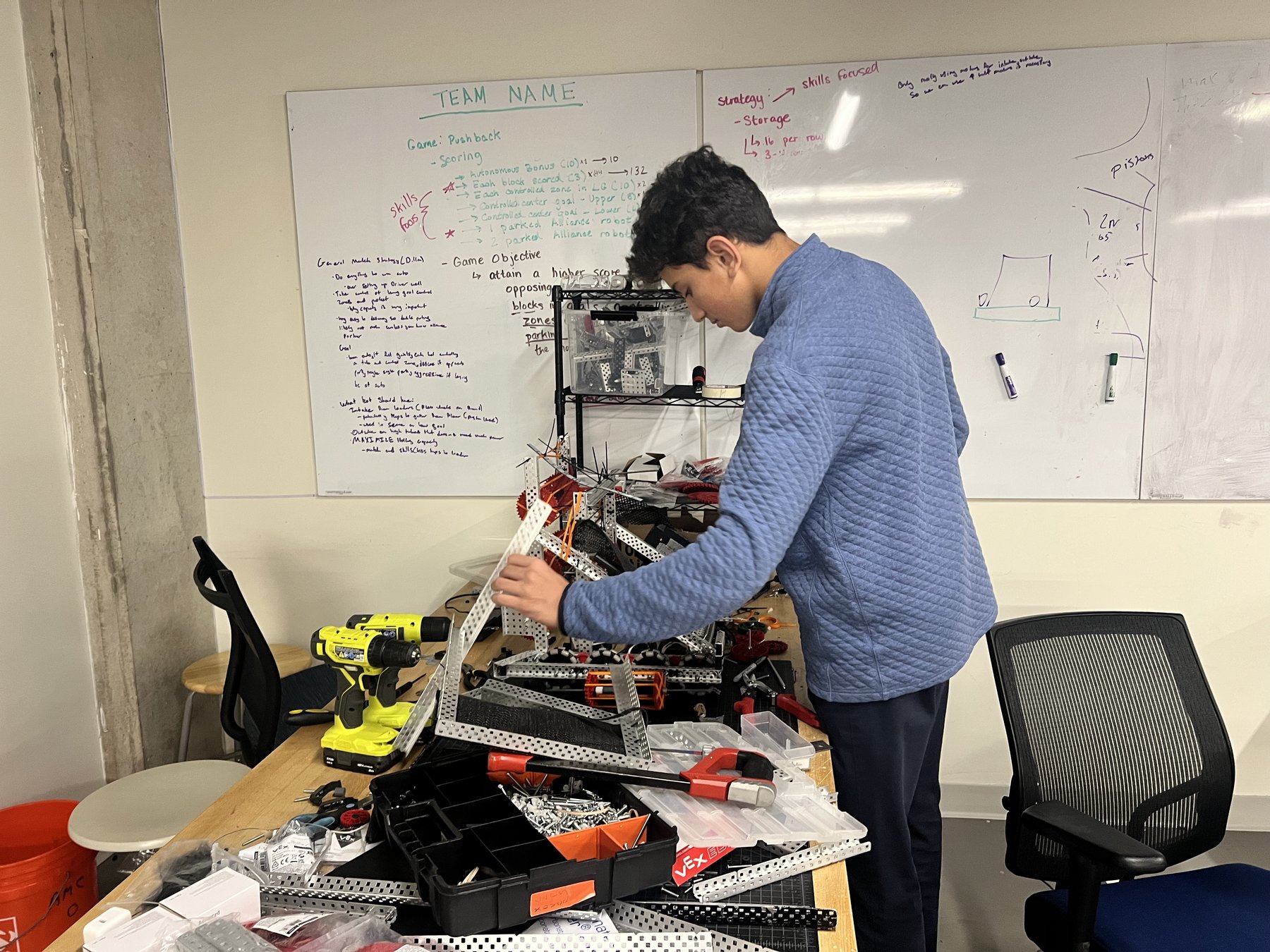
What started as a practical fix for my VEX team's autonomous scoring turned into its own research question: could a Kinect camera system, paired with feedback-based correction, make a competition robot's path-planning meaningfully more accurate? I built and tested the system on my own team's robot on the VEX Robotics floor.
Beyond the formal research above, these are things I've built or am building to understand a subject more deeply β no lab, no mentor, just a class project as the excuse to go further than the assignment asked.

For my calculus class, I built an interactive website to help teach the rest of my class about the fourth dimension β a way of actually seeing concepts that most people only ever meet as equations.
Explore the site βA project from my AI & Decision Making coursework β write-up and interactive demo in progress.
A project from my chemistry coursework β write-up and interactive demo in progress.
A project from my biology coursework β write-up and interactive demo in progress.
Independent writing β analytical, researched, and, where possible, published outside Milton.
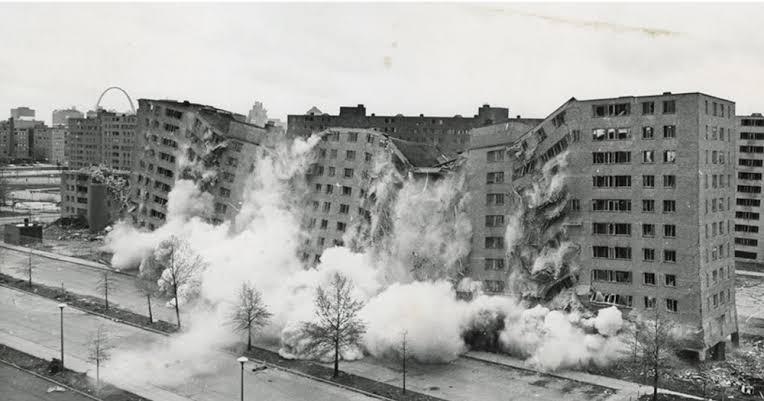
A history paper I wrote examining the unintended consequences of federal housing policy in the United States β how programs designed to expand homeownership also entrenched patterns of exclusion that persist today. Published in the Oxford Journal of Student Scholarship. It's the clearest expression of a belief that runs through all of my work: engineering and policy decisions always reflect values, whether or not anyone names them.
A second history paper, in the same spirit as the housing policy piece above.
An English class paper, added here once it's ready to share.